
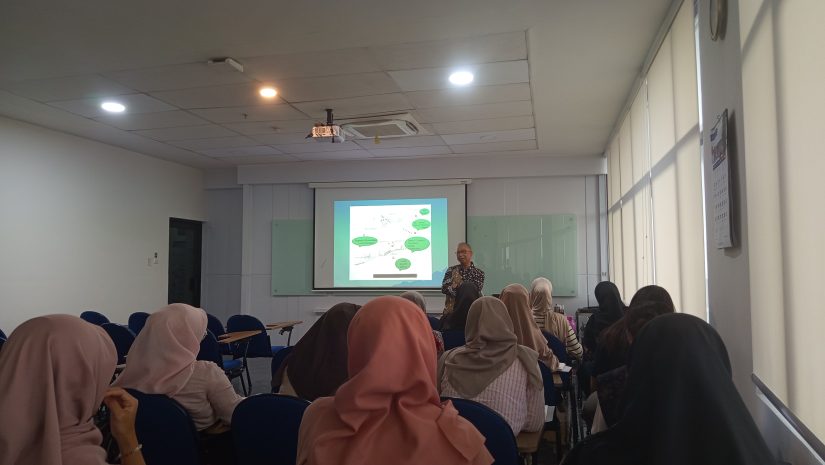
Yogyakarta, August 10–14, 2026 – The Master’s Program in Environmental Science, Graduate School of Universitas Gadjah Mada (SPs UGM), organized a deficiency program for incoming students of the Odd Semester 2026/2027. The event took place over five working days in the classroom as a series of orientation sessions prior to the official commencement of lectures. The deficiency program aims to align foundational perspectives in environmental science, given that the new cohort originates from diverse undergraduate academic backgrounds. Through these sessions, all incoming students are expected to acquire an equal foundational understanding before proceeding to the core curriculum.
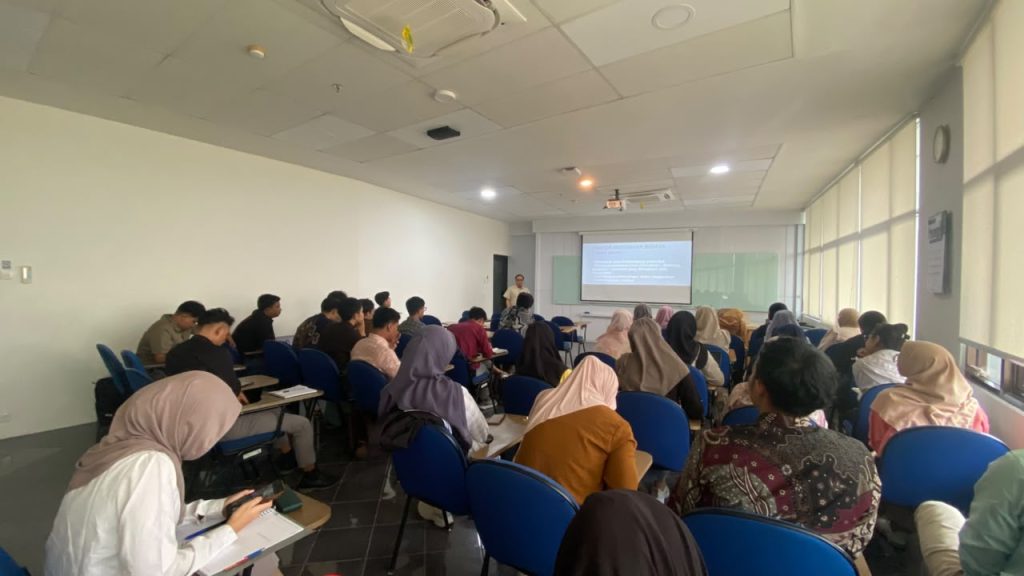
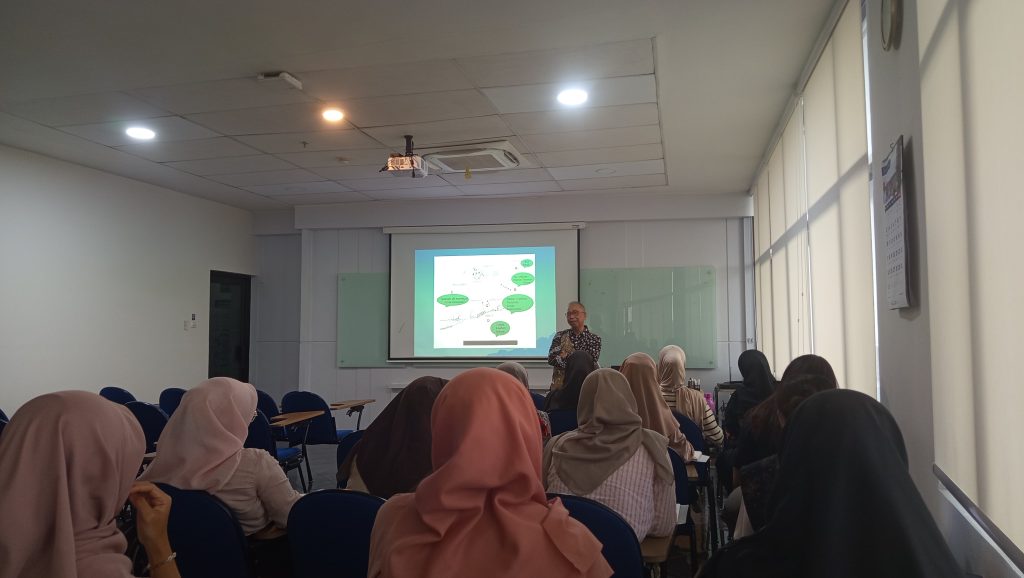
The material was presented incrementally according to daily topics. On Monday (Aug 10), the program opened with an introduction by Dr. Sudaryatno, Head of the Study Program, followed by sessions on ecology and ecosystems by Prof. Ig. L. Setyawan Purnama, as well as natural resources and environmental carrying capacity by Dr. Tjahyo Nugroho Adji. Tuesday (Aug 11) focused on abiotic environments, covering air and water topics by Dr. Emilya Nurjani, along with landforms and soil by Dr. Muhammad Anggri Setiawan. Wednesday (Aug 12) addressed biotic environments, encompassing plant and animal ecology by Dr. Priyaji Agung Pambudi, alongside environmental security and resilience by Prof. Andhika Puspito Nugroho. Thursday (Aug 13) brought forward cultural environments, featuring socio-economic sessions by Dr. Rika Harini, as well as humans and culture by Dr. Djaka Marwasta. The program concluded on Friday (Aug 14) with a focus on spatial information technology and data, covering mapping by Dr. Ari Cahyono, remote sensing by Dr. Retnadi Heru Jatmiko, and Geographic Information Systems (GIS) by Dr. Taufik Hery Purwanto.
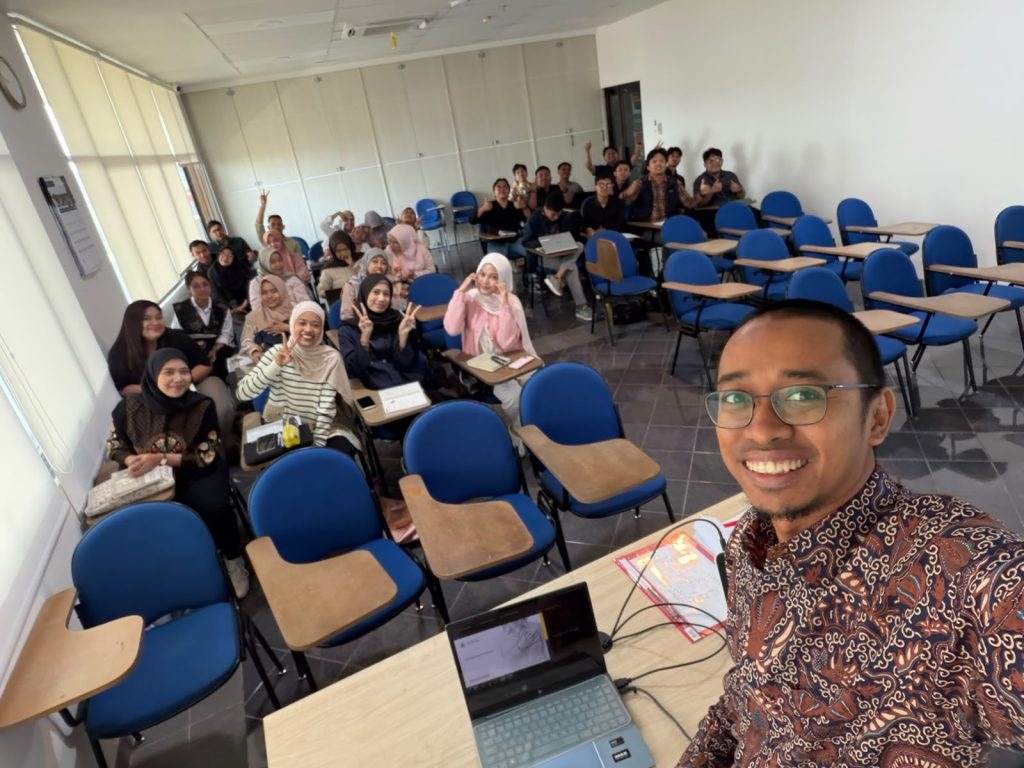
Encompassing topics ranging from abiotic, biotic, and socio-cultural aspects to spatial information technology, this deficiency program is expected to equip cross-disciplinary students with a balanced academic foundation before advancing to the matriculation field study and core lectures in the Master’s Program in Environmental Science, SPs UGM. This activity serves as a concrete manifestation of the study program’s commitment to supporting the achievement of the Sustainable Development Goals (SDGs), particularly SDG 4 (Quality Education), by providing inclusive and comprehensive introductory learning for new students.
Author: Fardan Yusuf Ibrahim