
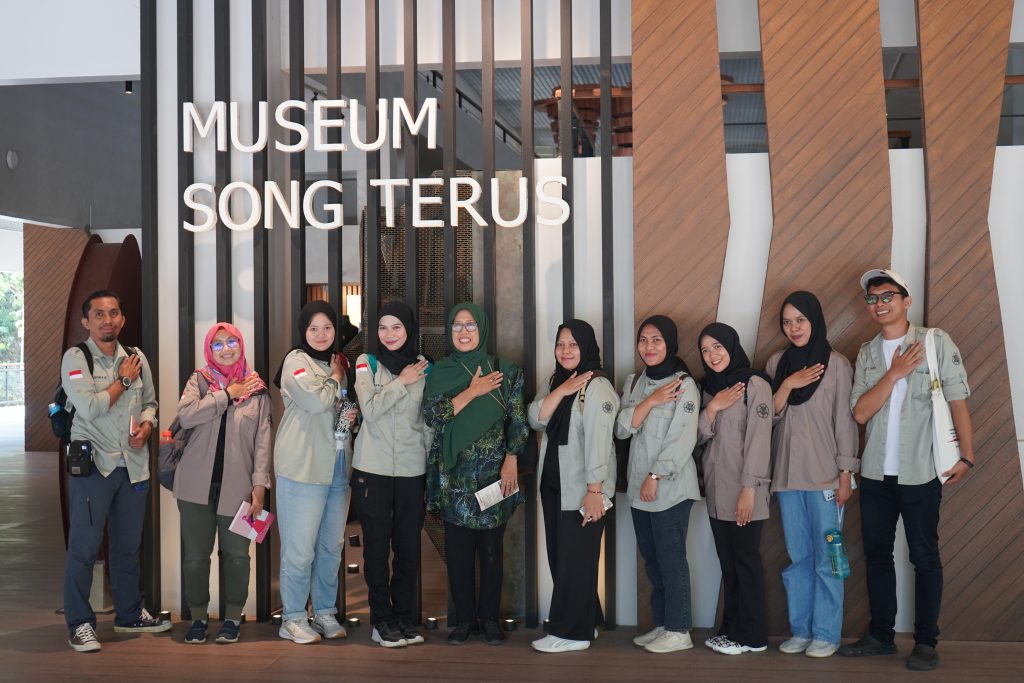
On Saturday, 26 April 2025, nine students of the Environmental Science Master’s Program at Universitas Gadjah Mada (UGM) took part in a field study at the Song Terus Site, the Song Terus Museum, and Tabuhan Cave in Pacitan, East Java. This activity was part of the Cultural Environment course taught by Dr. Dra. Niken Wirasanti, M.Si.
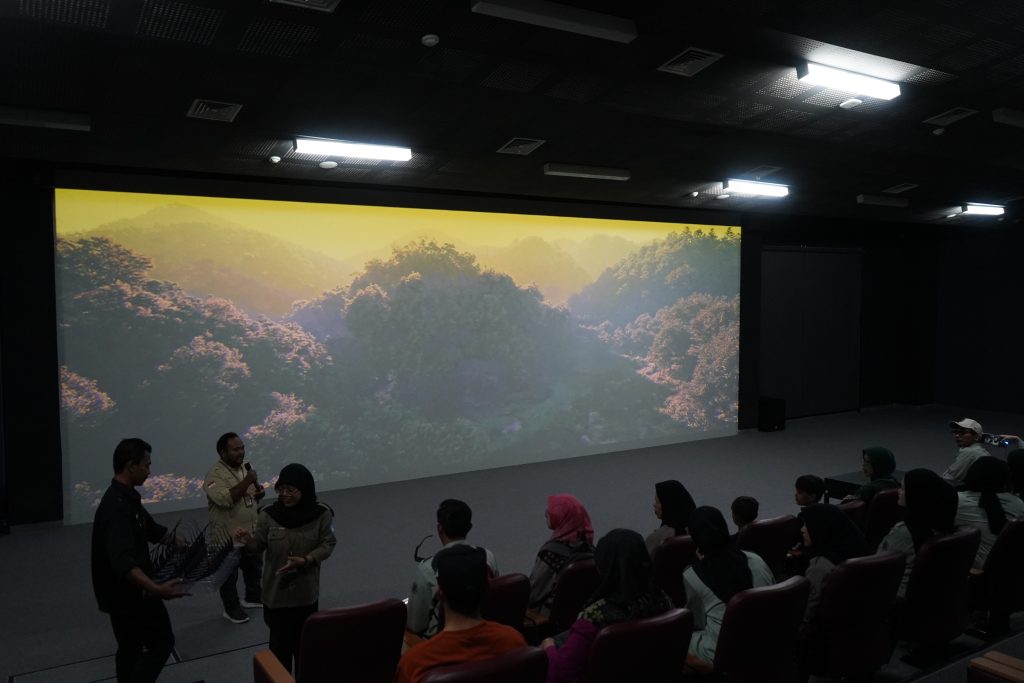
The field study aimed to deepen students’ understanding of the relationship between prehistoric humans and their natural environment, as well as how early cultural adaptations shaped their living spaces. Direct observations were conducted from 09.00 to 14.00 WIB, accompanied by a museum educator from the Song Terus Museum, Anjar Laksita, and technical staff member, Tulus Wahyudi.
(Activity Documentation)
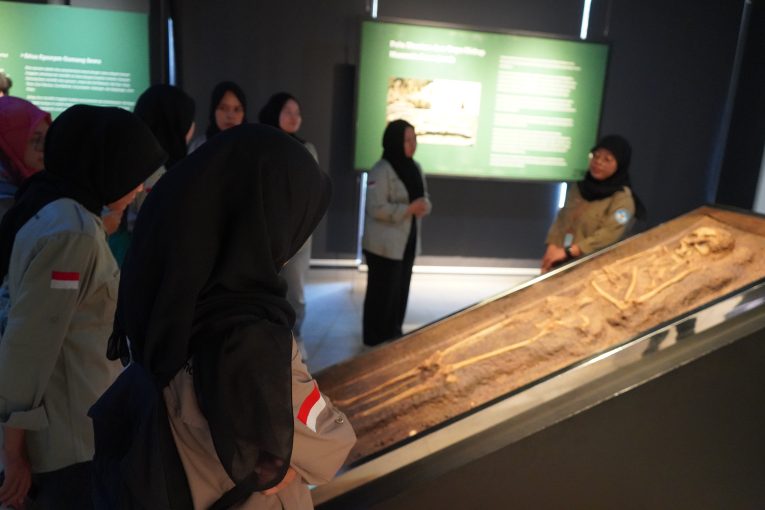
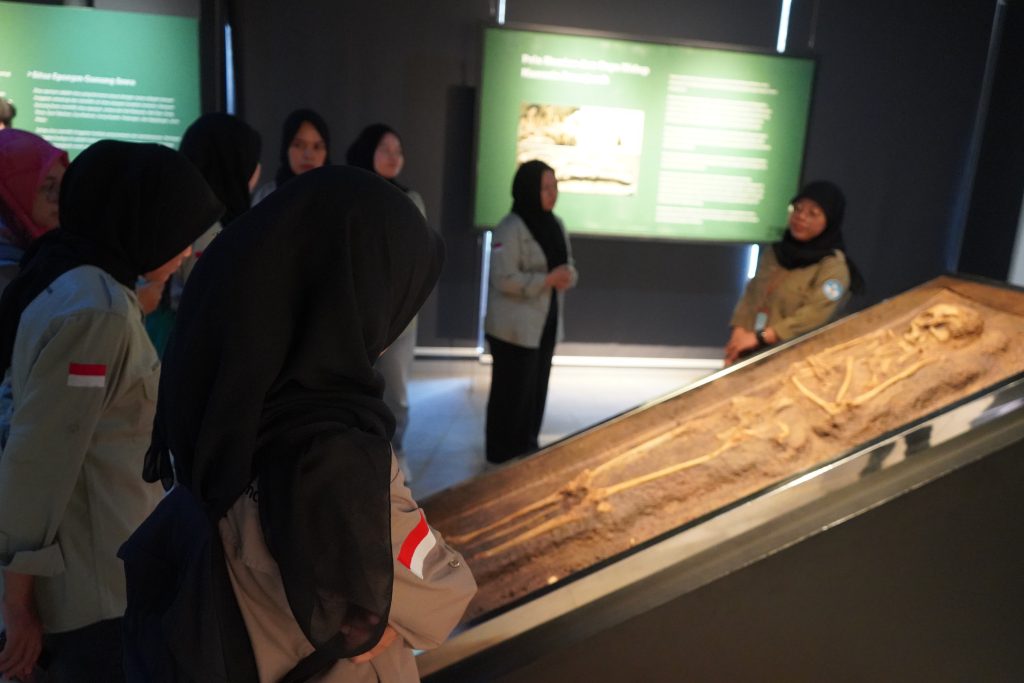
At the Song Terus Museum, students received an explanation of the archaeological research process that has been ongoing since the 1950s. One of the museum’s notable features is a double-helix DNA representation illustrating the diversity of human groups — particularly the Mongoloid and Austromelanesoid populations — who once inhabited the region. Various significant findings, including the prehistoric human skeleton “Mbah Sayem,” stone tools, food remains, and soil layers that record climatic and cultural changes dating back more than 300,000 years, were discussed in depth. All exhibited artifacts are original research findings, curated under the supervision of the Cultural Preservation Center (BPK) XI of East Java Province and the National Research and Innovation Agency (BRIN).
In addition to the museum visit, students directly examined the condition of Song Terus Cave — also known as “Song” or “Goa Terus.” This active cave stretches approximately 70 meters through two openings and retains evidence of early Homo sapiens habitation. Song Terus has been an important archaeological research site since the 1950s, with initial studies conducted by Prof. Suyono using test pit excavations. In 1990, the National Archaeological Research Center (Puslit Arkenas), in collaboration with the Muséum National d’Histoire Naturelle (MNHN) of France under the leadership of Prof. Truman Simanjuntak and Prof. François Sémah, continued the exploration. This international research partnership, which lasted until 2019, significantly enriched our understanding of prehistoric human adaptation to the Gunung Sewu karst environment.
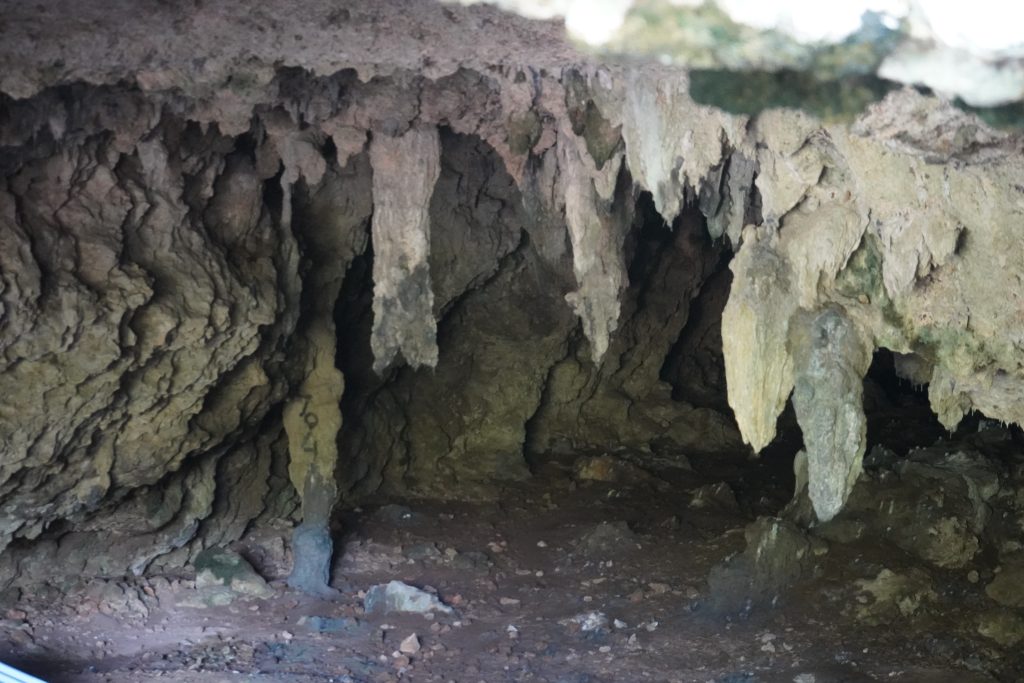
(Documentation)
The visit continued to Tabuhan Cave, a 105-meter horizontal cave corridor renowned for its stalactites that can produce sounds resembling gamelan when struck. Archaeologically, the cave is also important as a former prehistoric dwelling site, evidenced by vertebrate remains and lithic artifacts discovered by Van Heekeren in 1955.
In her remarks, Dr. Dra. Niken Wirasanti, M.Si., stated, “Knowledge about how early humans adapted to nature, built and modified their natural surroundings into living environments through culture — from simple tool production to the mastery of fire — forms an essential foundation. From this point, technology continued to evolve into early agricultural practices.”
She added, “I hope the students’ responses throughout this field study are positive, so that their understanding of cultural environments in early human life becomes more complete. Learn more by seeing, observing, and visiting the field directly to complement the theories learned on campus.”
The field coordinator, Naufal Hasani, also shared his impressions: “Seeing firsthand how Homo sapiens constructed realities and behavioral patterns through existing historical evidence broadened our perspectives. These archaeological traces help us understand cultural environments as the totality of human ways of life passed down across generations.”
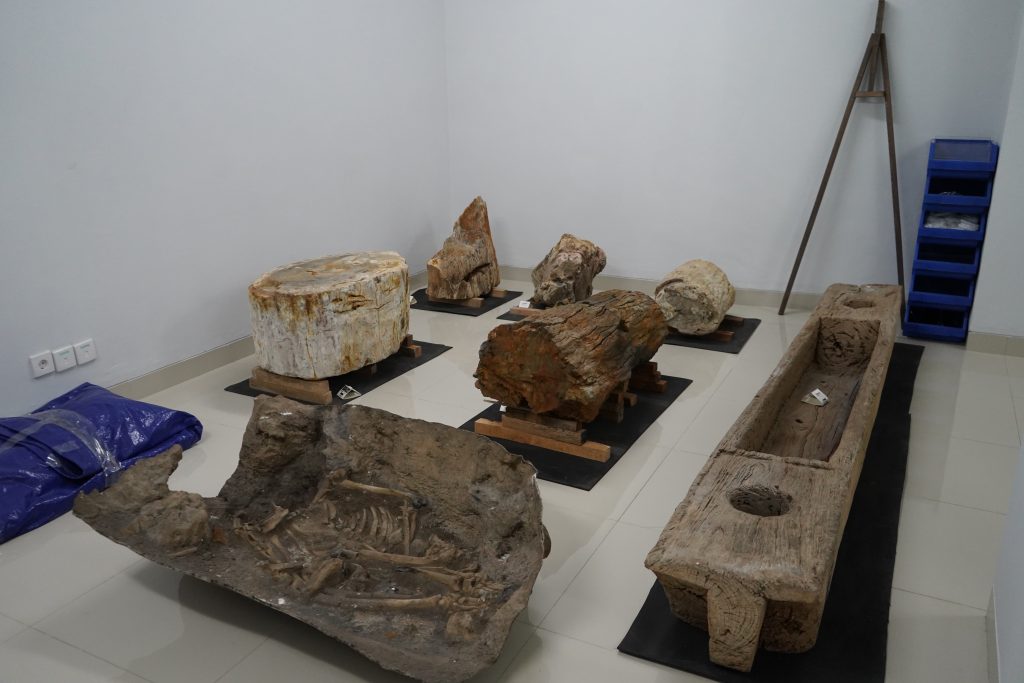
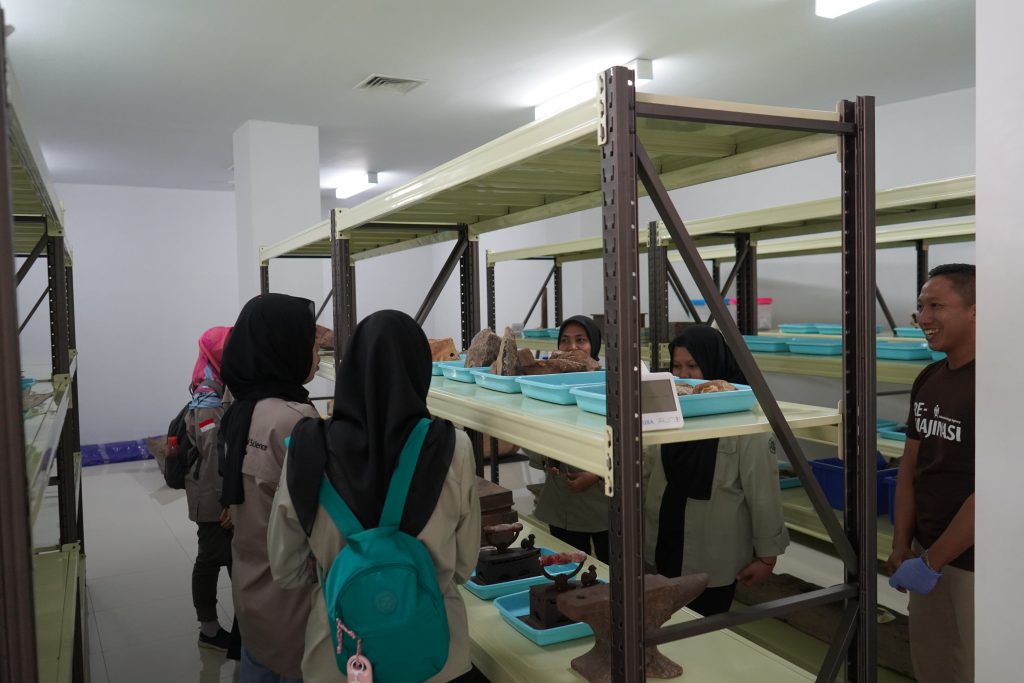
(Activity Documentation)
This activity also aligns with the Sustainable Development Goals (SDGs), particularly Goals 4 (Quality Education), 11 (Sustainable Cities and Communities), 13 (Climate Action), and 15 (Life on Land). Through field-based learning, students gain quality education that bridges theoretical knowledge with real environmental and cultural contexts (SDG 4). Understanding the importance of conserving cultural and natural heritage contributes to heritage preservation and sustainable community development (SDG 11). Furthermore, exposure to prehistoric climatic records enhances awareness of climate action (SDG 13), while encouraging the protection of karst ecosystems and terrestrial biodiversity (SDG 15).
This field study enriched students’ academic experience and strengthened their appreciation for the conservation of cultural and natural sites as vital components of Indonesia’s historical heritage.
Authors: Naufal Hasani & Sisna Delvita
Photos: Naufal Hasani, Aurel Fernanda, & Januanto