
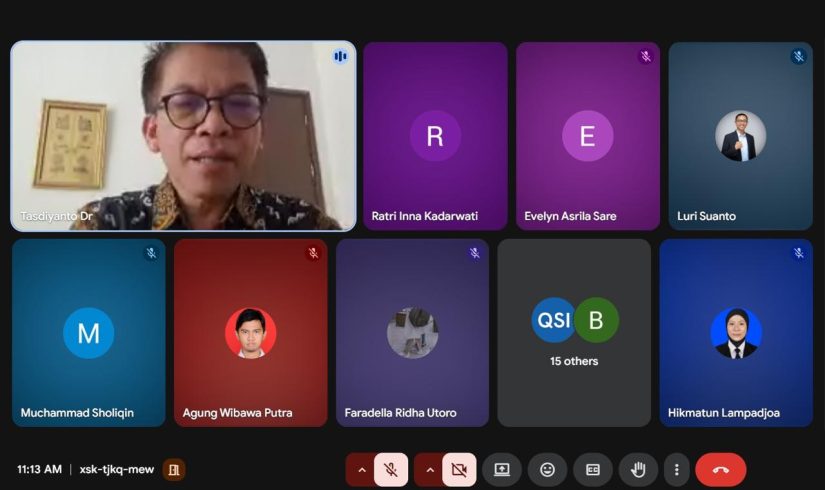
Yogyakarta, March 11, 2026 — The Master’s Program in Environmental Science at Universitas Gadjah Mada held the third meeting in the series of preparatory sessions for the 2026 Fieldwork Program (Kuliah Kerja Lapangan/KKL) on Wednesday (March 11), conducted online. The session was attended by 42 students participating in the KKL 2026 program. During the session, students received academic insights from Dr. Tasdiyanto, S.P., M.Si., who participated as a practitioner lecturer. He currently serves as a Special Advisor to the Minister at the Ministry of Housing and Settlement Areas (2025–2026). In his presentation, Dr. Tasdiyanto emphasized the importance of adopting a holistic approach in understanding increasingly complex environmental issues.
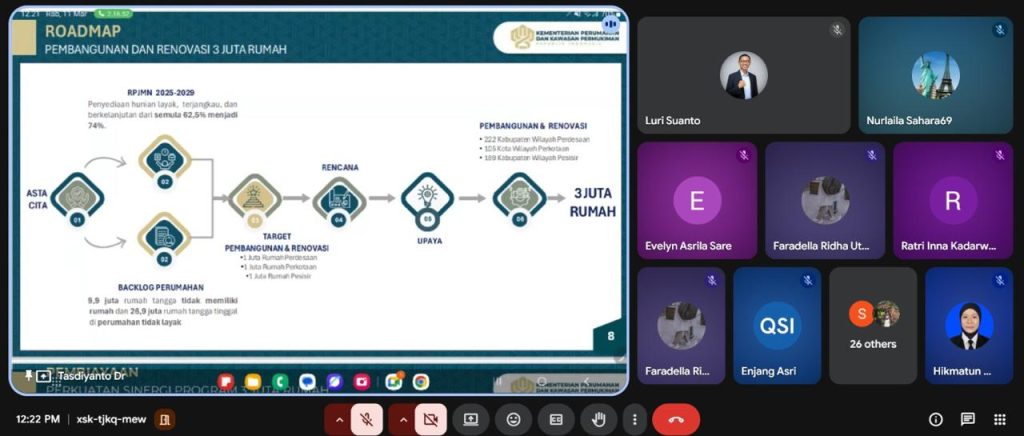
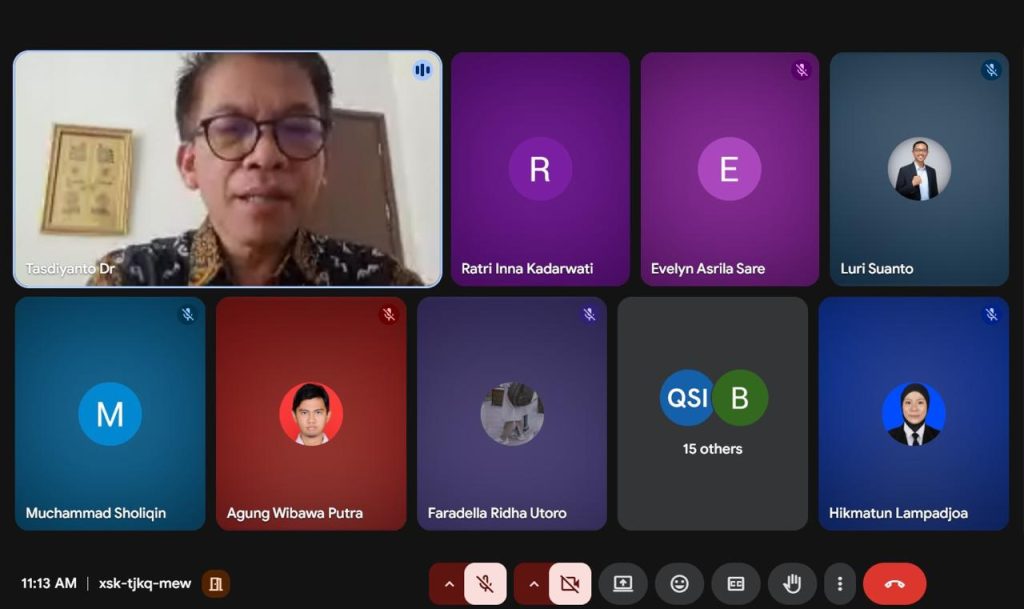
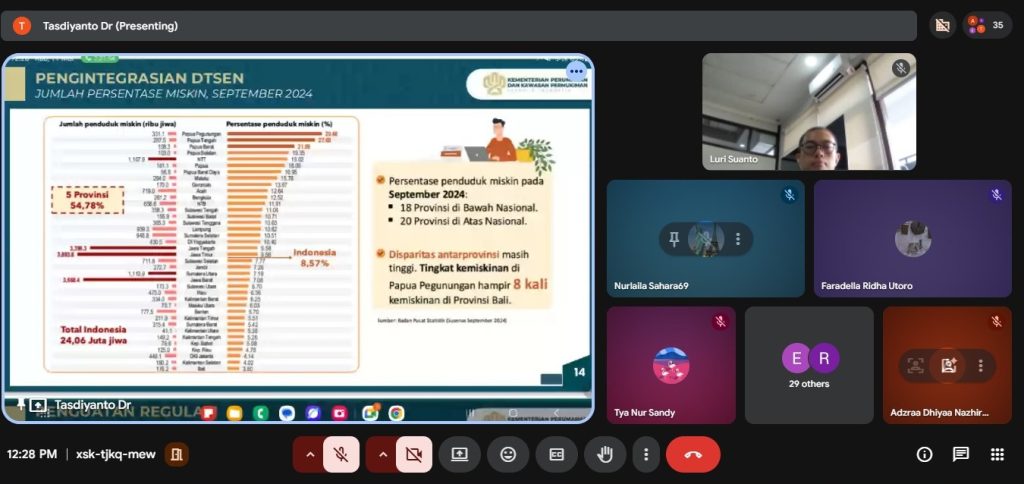
(Activity Documentation)
According to him, environmental studies cannot be conducted in a partial manner, but must consider the interconnections among abiotic, biotic, and social aspects as an integrated system. He also highlighted that environmental science competencies should be reflected through the KSA concept (Knowledge, Skills, and Attitudes), which includes mastery of knowledge, analytical skills, and professional attitudes in applying environmental science in real-world contexts.
The preparatory session was designed using a Focus Group Discussion (FGD) method, enabling interactive dialogue between the speaker and students. Through the discussion, students were introduced to the framework of holistic environmental science, an approach that views the environment as an interconnected system requiring multidimensional analysis in decision-making processes.
The discussion also addressed the growing complexity of environmental challenges, including the importance of encouraging environmental awareness within society so that it evolves beyond knowledge and becomes part of everyday behavior. In addition, students were introduced to the concept of bioprospecting as an opportunity for innovative and sustainable utilization of biological resources.
In the context of development, Dr. Tasdiyanto emphasized that natural resource management must be oriented toward sustainability principles and support the transition toward a green economy. The application of environmental science is also considered essential in the development of livable housing and settlement areas, both in urban and rural regions, as part of efforts to improve community well-being and quality of life.
This preparatory session also aligns with the commitment of the Master’s Program in Environmental Science at UGM to support the achievement of the Sustainable Development Goals (SDGs), particularly SDG 4 (Quality Education), SDG 11 (Sustainable Cities and Communities), SDG 13 (Climate Action), SDG 14 (Life Below Water), and SDG 15 (Life on Land).
Through this activity, students are expected to objectively identify environmental issues at the KKL locations, analyze the root causes of these problems comprehensively, and formulate data-driven recommendations that can benefit local communities and regional governments.
Authors: Adzraa Dhiyaa Nazhirah and Hikmatun A. Lampadjoa
Editor: Ulyn Nuha